Recipes

From 20-minute weeknight daal to 8-hour weekend nihari — all tested, all authentic, all explained for cooks at every level.

How We Approach Recipes

Every recipe on DesiFoodz starts with the same question: what does this dish actually taste like when it's made properly? Not what a quick internet version tastes like, not what a restaurant approximation tastes like — what the genuine, traditional version tastes like when someone who grew up eating it makes it from scratch.

We then work backwards from that standard. We test the recipe repeatedly, adjusting quantities, timings, and techniques until the result matches. Only then does it go on the site.

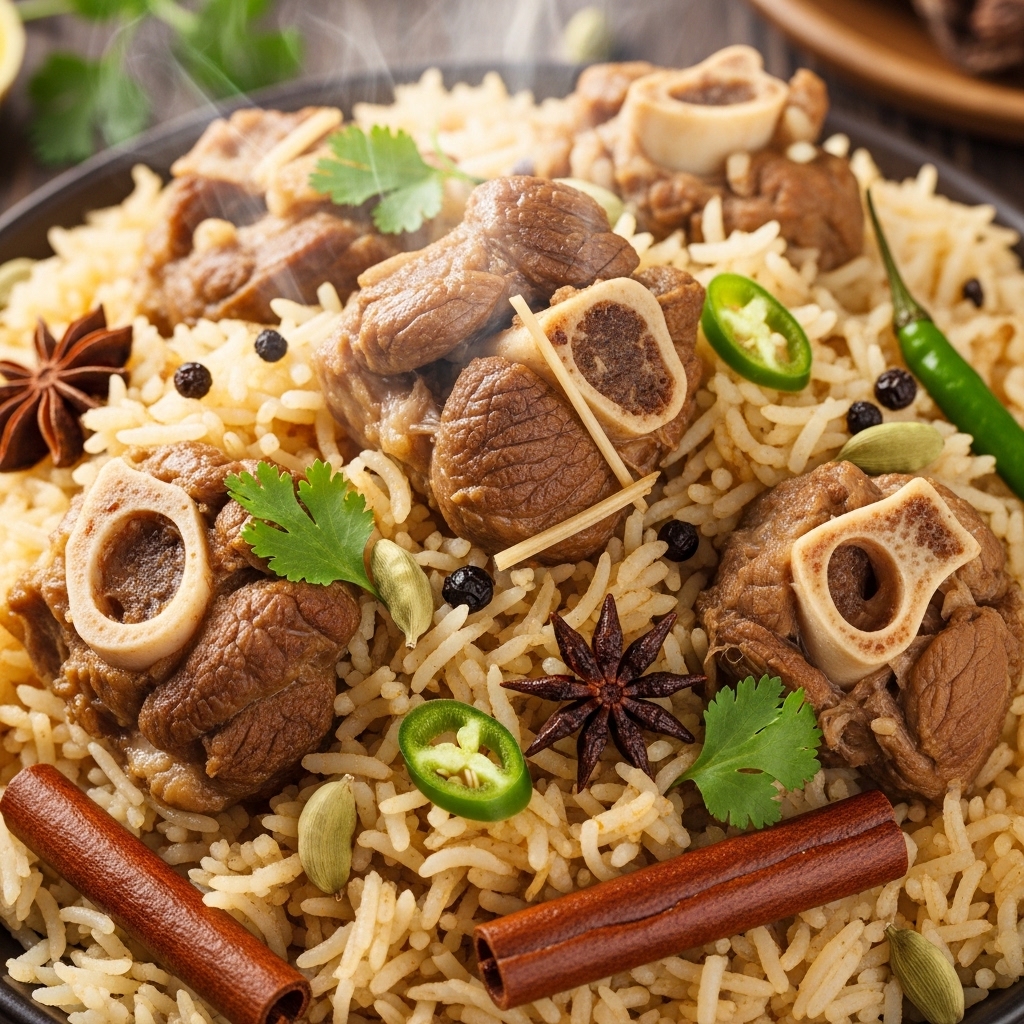
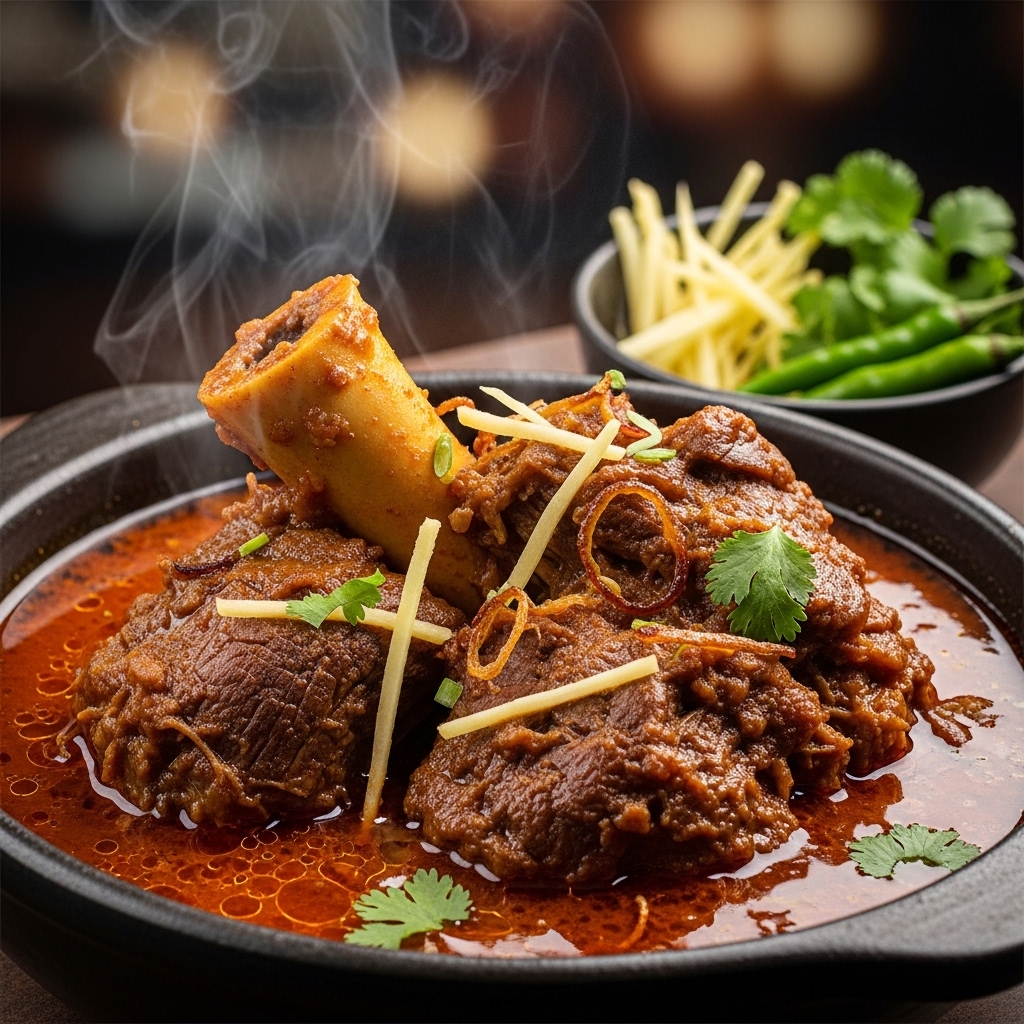
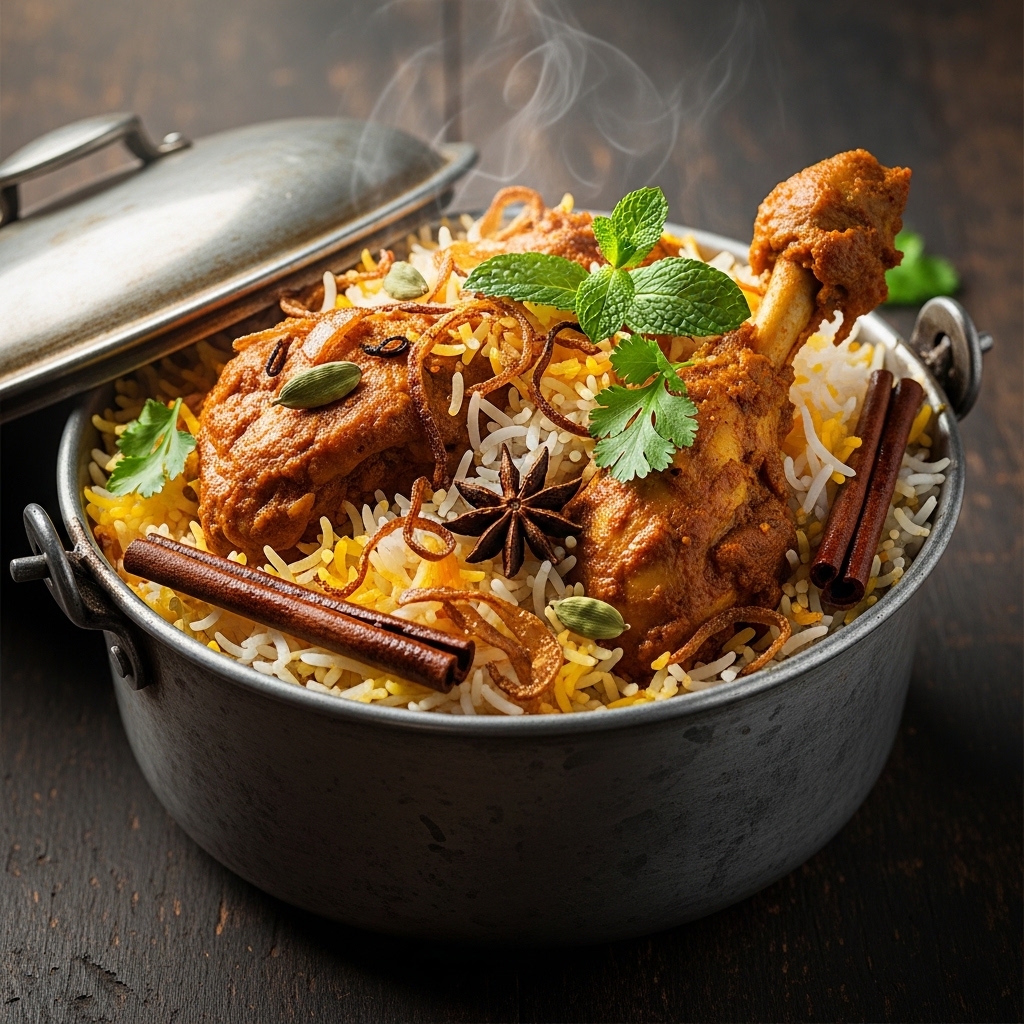
This means our recipes are sometimes more demanding than others you might find online. A nihari that takes two hours will not taste like one that takes eight. A biryani where the rice is parboiled to exactly 70% doneness before the dum cook will produce separate, fragrant grains; one where the rice is fully cooked first will not. We don't hide these requirements or simplify them away. We explain them, because understanding why a technique works is what makes you a genuinely better cook.
How to Use the Filters

Use the category pills above the recipe grid to filter by ingredient type — chicken, beef, vegetarian, rice, bread, or dessert. The difficulty levels on each card (Easy, Medium, Advanced) reflect honest assessments: Easy means the technique is forgiving and ingredients are accessible; Medium means at least one step requires attention; Advanced means you need to pay close attention throughout and the results depend heavily on execution.

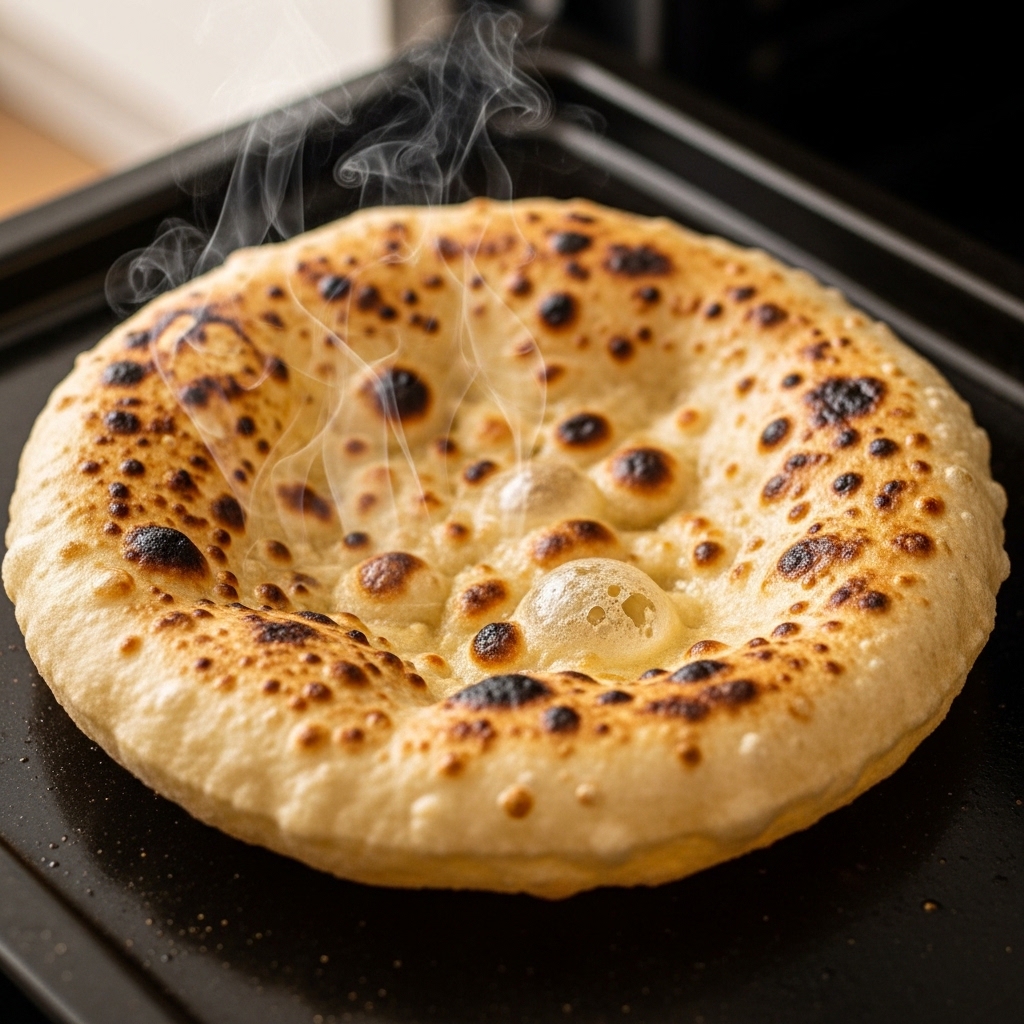
All recipes are written for standard home kitchen equipment. You do not need a tandoor, a commercial pressure cooker, or specialist cookware for any recipe on this site. Where specialist equipment helps (a tawa for roti, a heavy Dutch oven for nihari), we explain why and provide alternatives for those who don't have it.

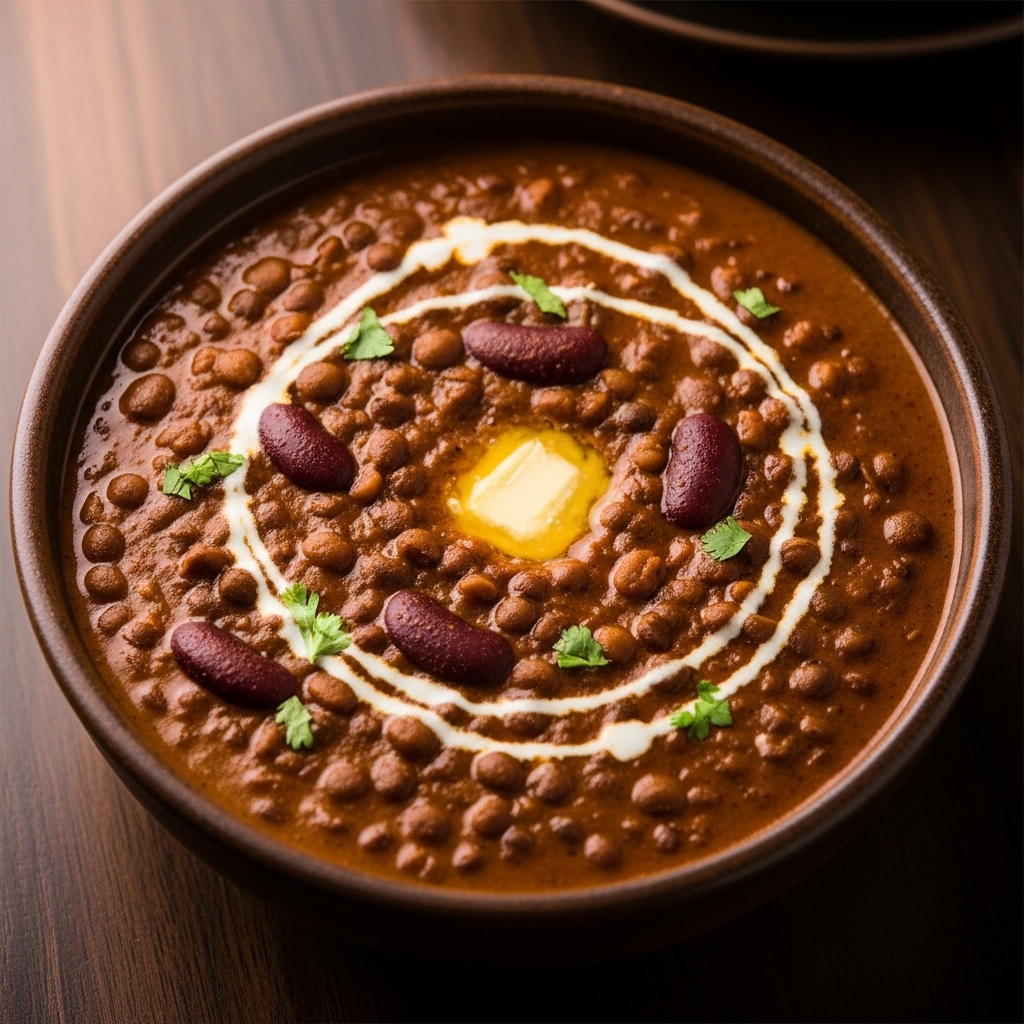
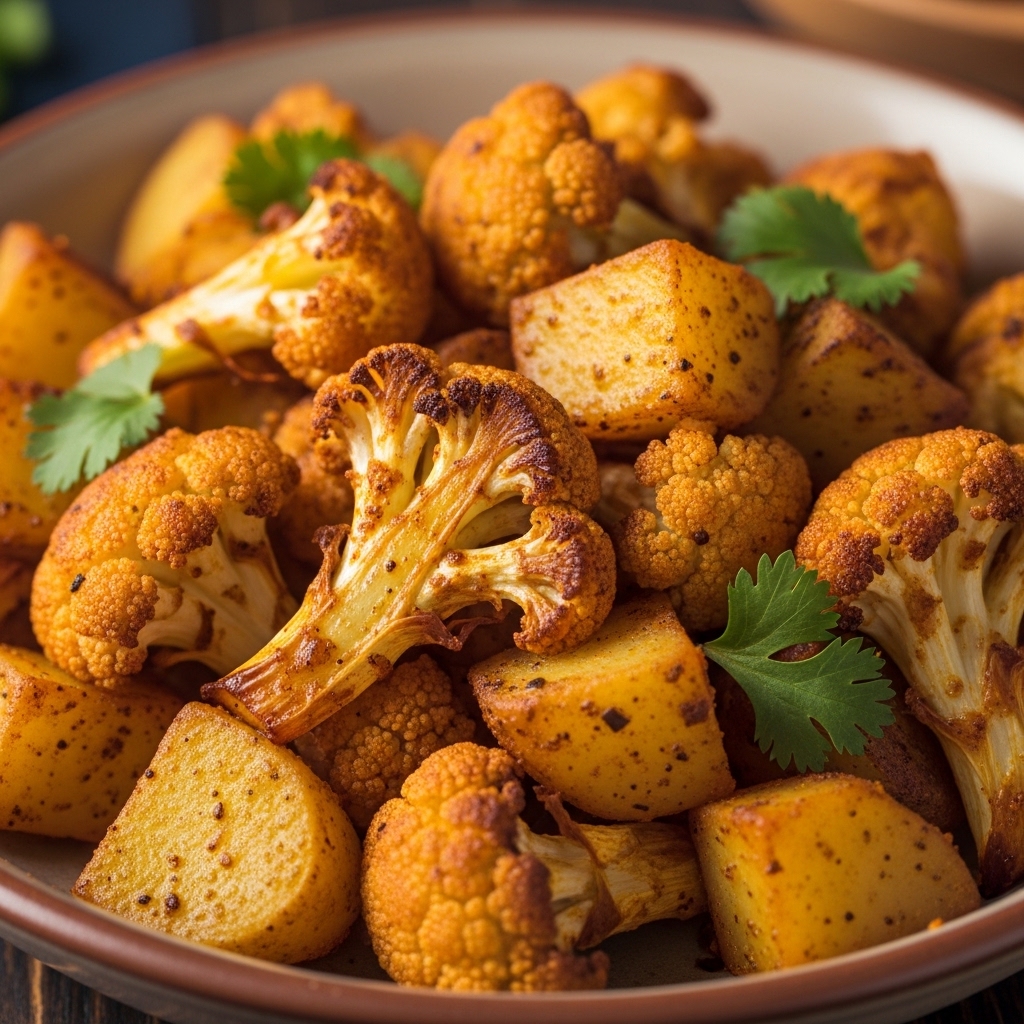
If you are new to desi cooking, we recommend starting with Daal Makhani or Aloo Gobi. Both are genuinely forgiving, genuinely delicious, and teach the foundational masala technique that underpins almost every other recipe on this site.

The Desi Spice Pantry — What You Actually Need

You do not need fifty spices to cook great desi food. You need about twelve, stored correctly, and used with understanding. Here is a guide to building a desi spice pantry from scratch — what each spice does, how to store it, and when to use it whole versus ground.

Read the Full Guide

Cumin (Zeera)

Use whole in tarka, ground in marinades

Coriander (Dhania)

Fresh for garnish, ground for depth

Turmeric (Haldi)

Colour, earthiness, anti-inflammatory

Cardamom (Elaichi)

Whole in rice, ground in sweets

Garam Masala

Always add at the end of cooking

Chilli (Mirch)

Kashmiri for colour, regular for heat

More Recipes

Weekly Recipe in Your Inbox

Every Friday, one new recipe. Always free.