Vegetarian · Winter · Punjabi

Saag — Slow-Cooked Mustard Greens, Punjab's Winter Soul Food

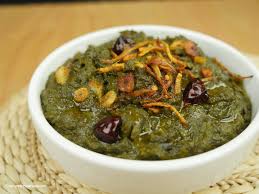
Sarson ka saag (mustard greens) slow-cooked for 2 hours with spinach and fenugreek, then tempered with a sizzling ghee tarka of garlic, ginger, and red chilli. The defining dish of the Punjab winter.

Prep
30 min
Cook
2 hours
Serves
6
Difficulty
Easy
Origin
Punjab
Saag – Slow-Cooked Mustard Greens with Makki Roti
🌿

Saag is winter in Punjab. When the mustard fields turn yellow in November, sarson ka saag appears on tables across Pakistan and India — from roadside dhabas to wedding feasts. It is one of the few dishes where the cooking time is measured in hours and the ingredient list is almost entirely vegetables, yet the result is deeply satisfying and richly complex.

The correct greens are sarson (mustard), spinach, and optionally bathua (lamb's quarters) or fenugreek. The bitterness of the mustard greens is essential — do not substitute with all spinach, as the result will be sweet and flat. The long cooking and the final ghee tarka are both non-negotiable.


Ingredients

Mustard greens (sarson), chopped500g
Spinach, chopped300g
Fenugreek leaves (methi)100g
Corn flour (makki ka atta)3 tbsp
Onions, sliced2
Ginger, finely chopped4cm piece
Garlic cloves6
Green chillies4
Saltto taste
Water200ml
Ghee (for tarka)4 tbsp
Dried whole red chillies3
Extra garlic, sliced (for tarka)4 cloves
White butter or extra ghee, to servelarge knob

Method

1

Boil the greens

Wash all greens thoroughly. Place mustard greens, spinach, and fenugreek in a large pot with water, onions, half the ginger, all the green chillies, and salt. Bring to boil, cover, and cook on medium heat for 45 minutes until all greens are very soft.

2

Blend roughly

Allow to cool slightly. Use an immersion blender to roughly blend — you want a coarse texture, not a smooth soup. Some chunks of leaf should remain. Alternatively, use a wooden masher (mathni) in the traditional style.

3

Add corn flour and cook down

Return to low heat. Add corn flour (makki ka atta) and stir in vigorously. This thickens the saag to a porridge consistency. Cook uncovered for another 30–45 minutes, stirring every 5–10 minutes to prevent sticking. The saag should be very thick and lose most of its water.

4

Make the tarka

In a small pan, heat ghee until shimmering. Add dried red chillies — let sizzle 30 seconds. Add sliced garlic and cook until golden. Add remaining ginger, cook 1 minute. Pour this hot tarka over the saag and stir in immediately.

5

Serve with makki roti and white butter

Ladle saag into bowls. Top with a generous knob of white butter. Serve with hot makki di roti (cornmeal flatbread) or regular roti for scooping.

💚 The Corn Flour Trick

Traditional saag uses makki ka atta (corn flour) as a thickener — it also adds a subtle sweetness that balances the bitter mustard. Add it gradually and whisk in immediately to prevent lumps.


Nutrition (per serving)

220
Calories
8g
Protein
22g
Carbs
12g
Fat