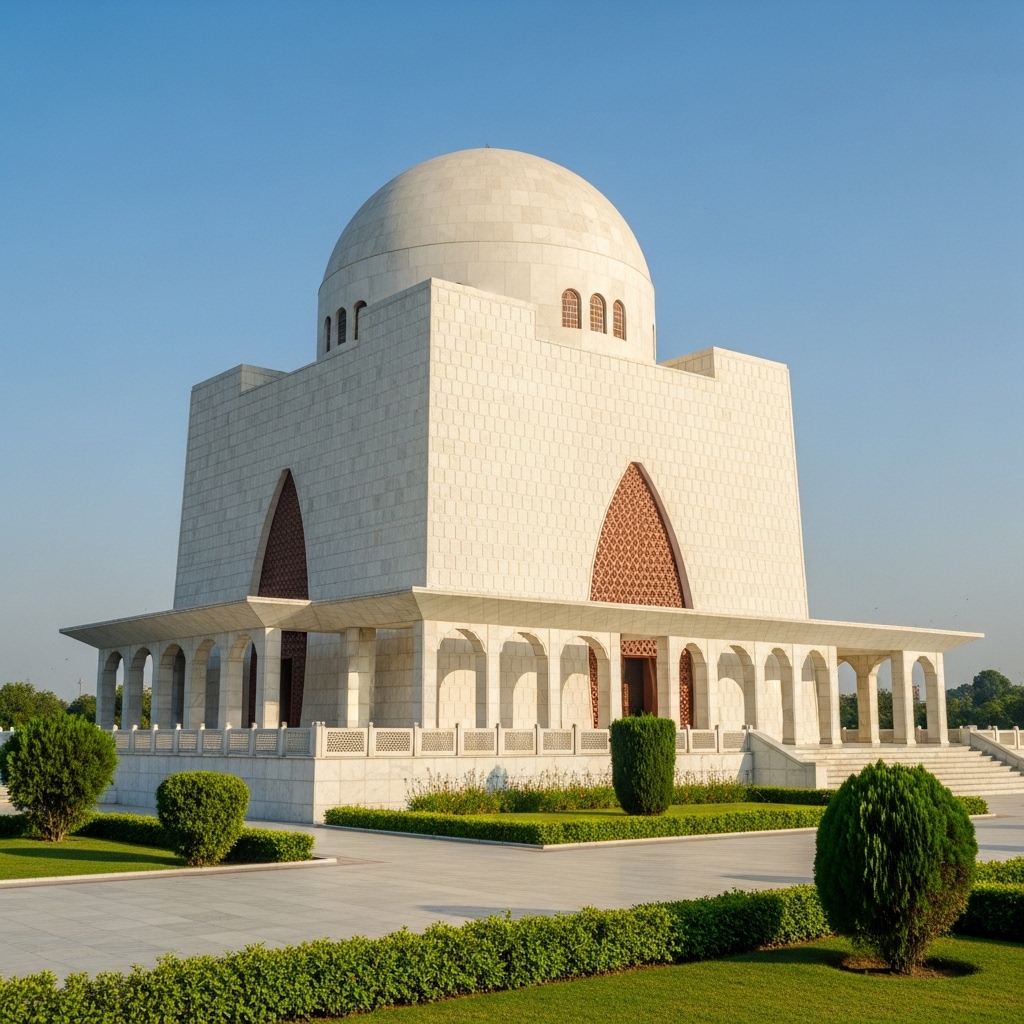
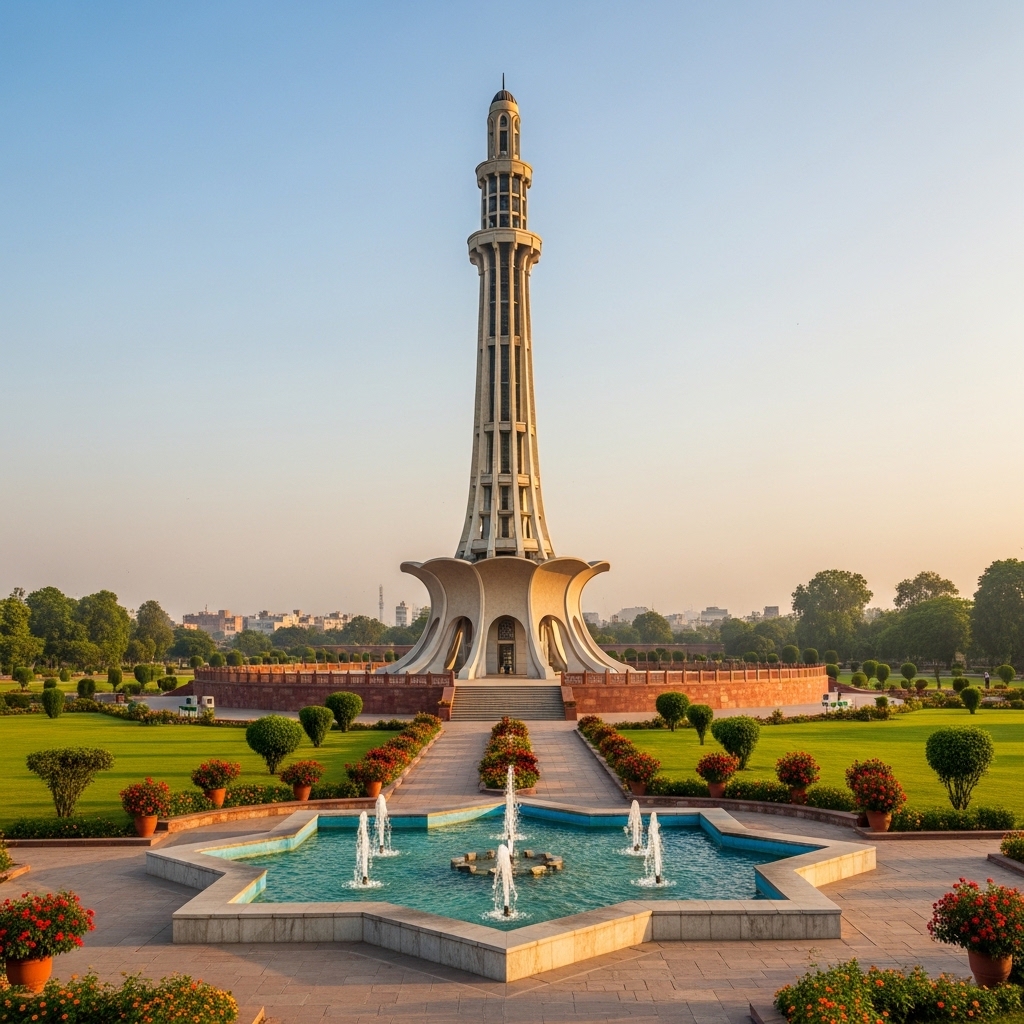
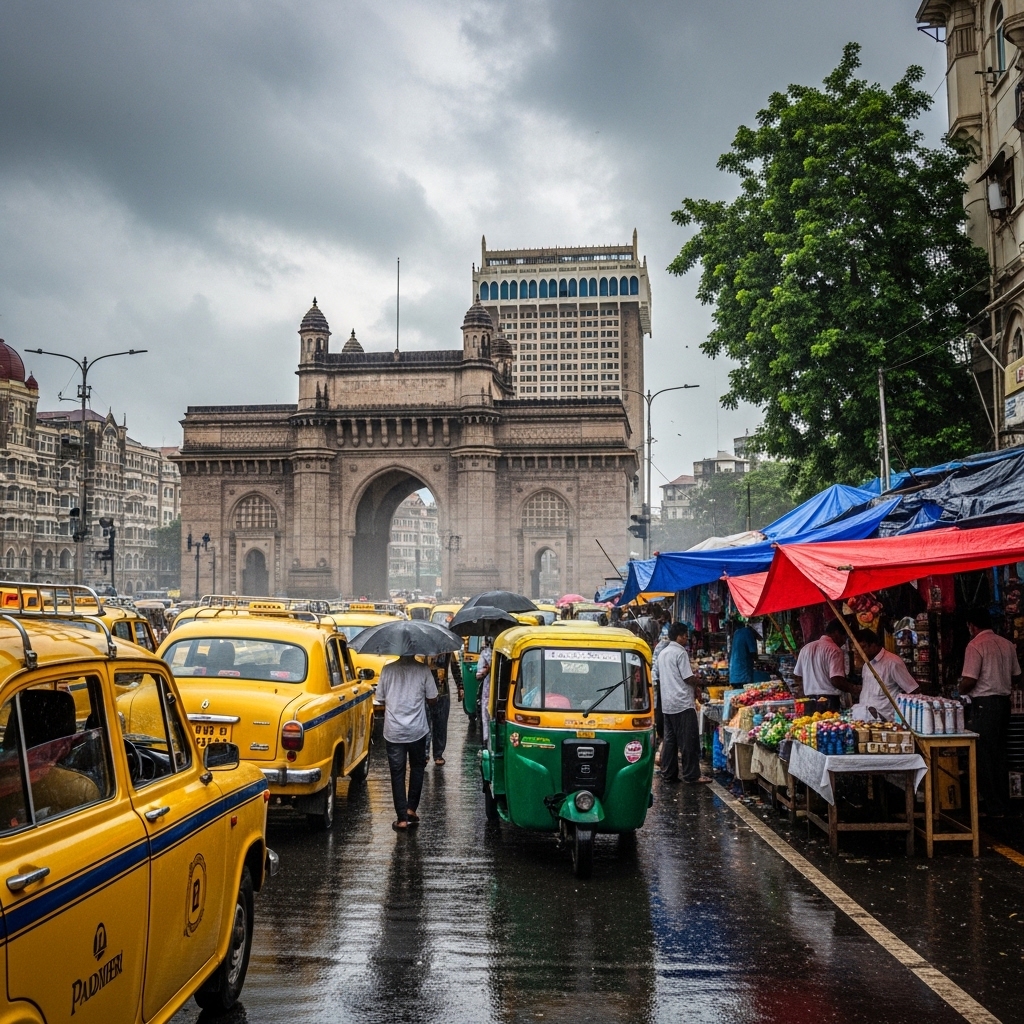
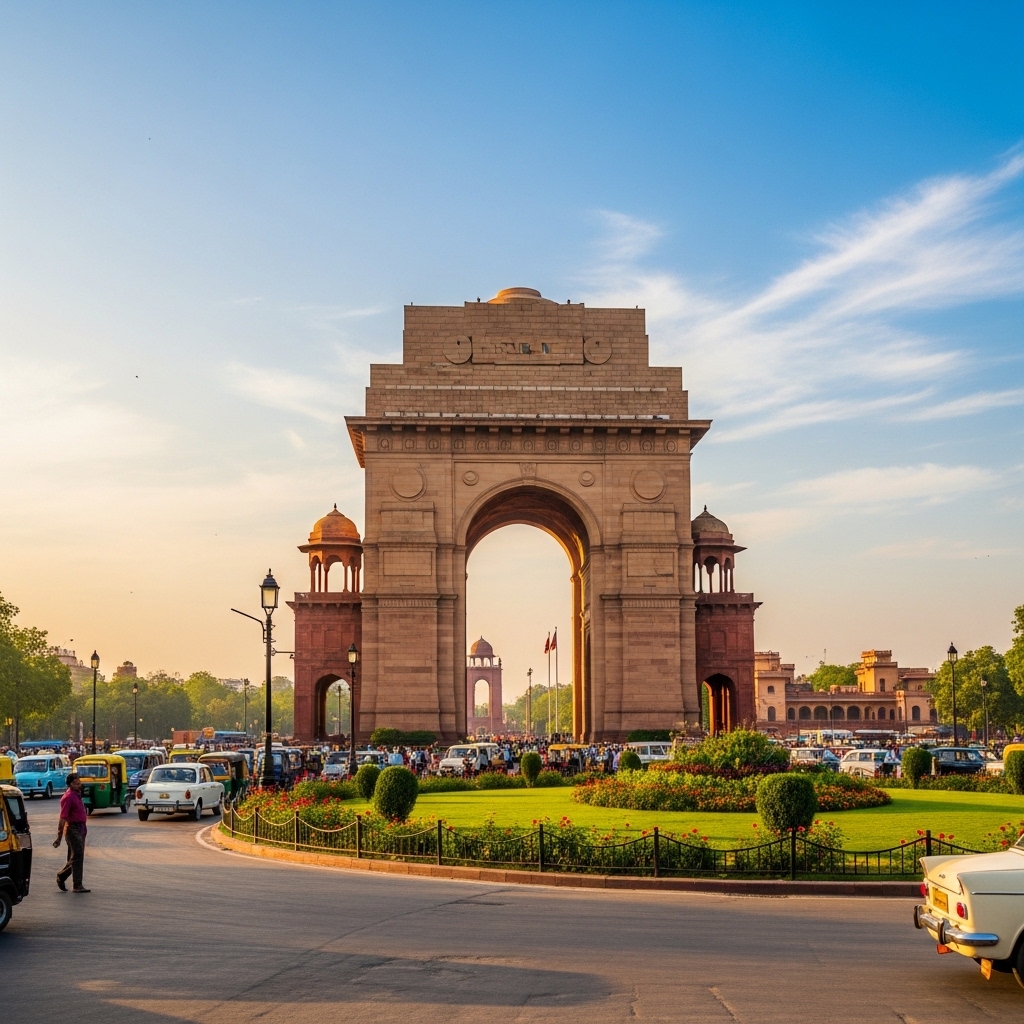
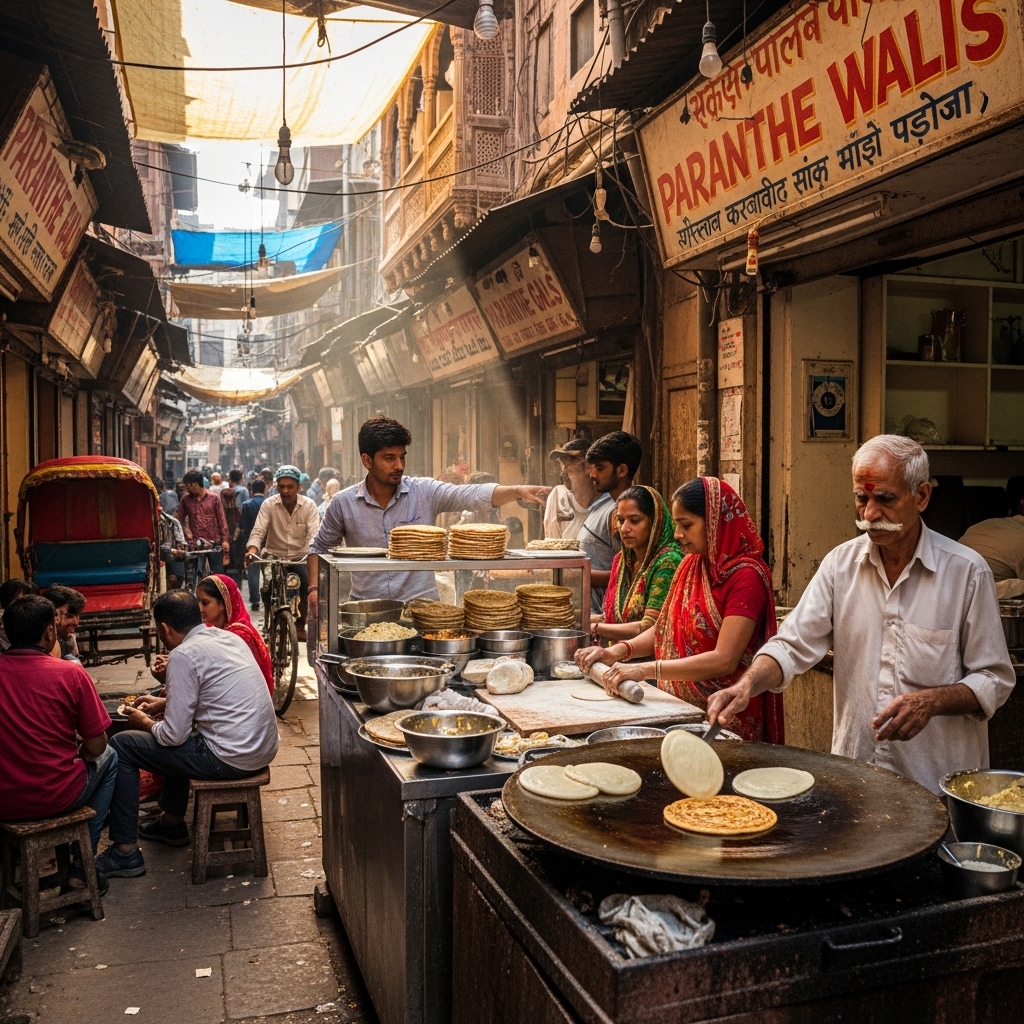
If you want to understand Pakistani or Indian food culture, you have to understand street food. Not restaurant food, not home cooking — street food. Because it is in the street food scenes of Karachi, Lahore, Mumbai, and Delhi that you see what a city actually eats when nobody is trying to impress anyone.
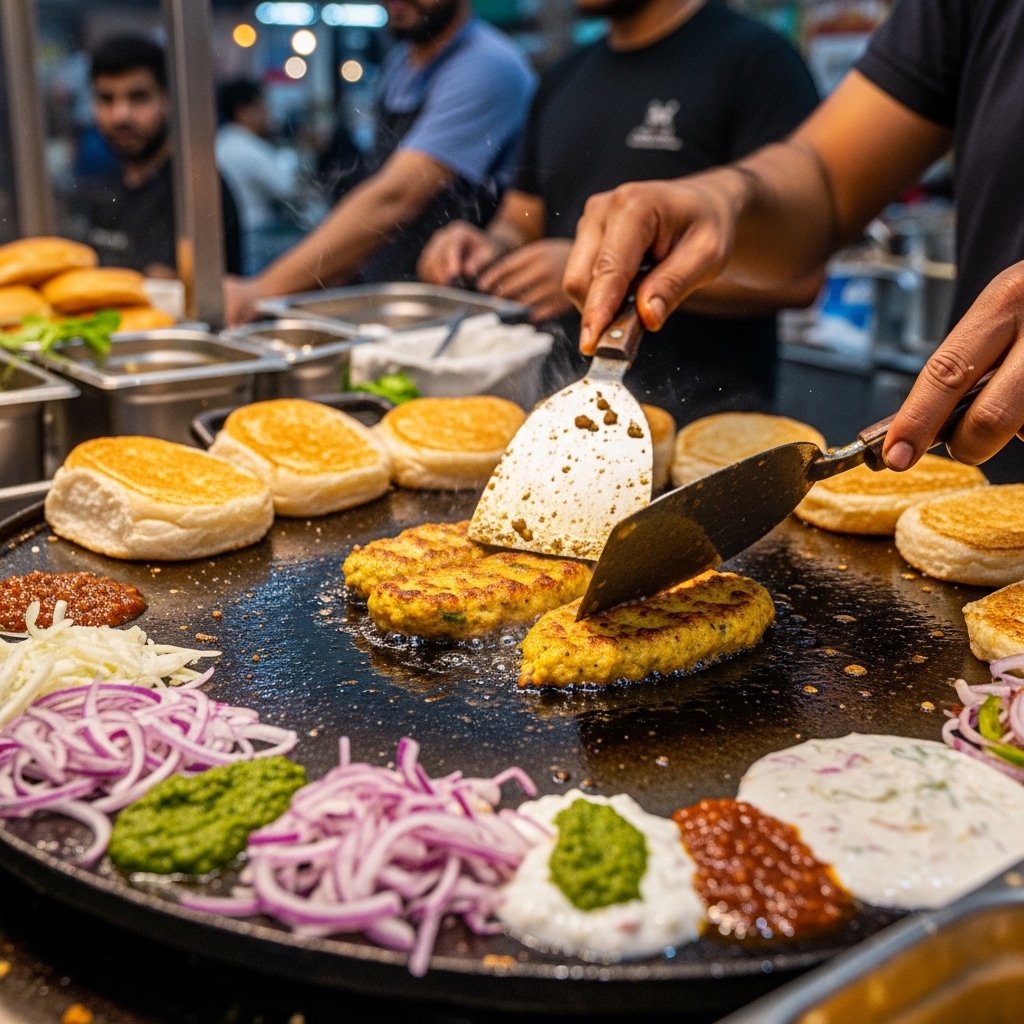
Street food is inherently democratic. It is food made for everyone, accessible to everyone, and judged entirely on its merits. A bun kebab stall on Karachi's Tariq Road has no decor, no ambience, no service to speak of — just the food. If the food isn't extraordinary, no one comes back. The vendor who has been in the same spot for thirty years has earned his reputation one order at a time.
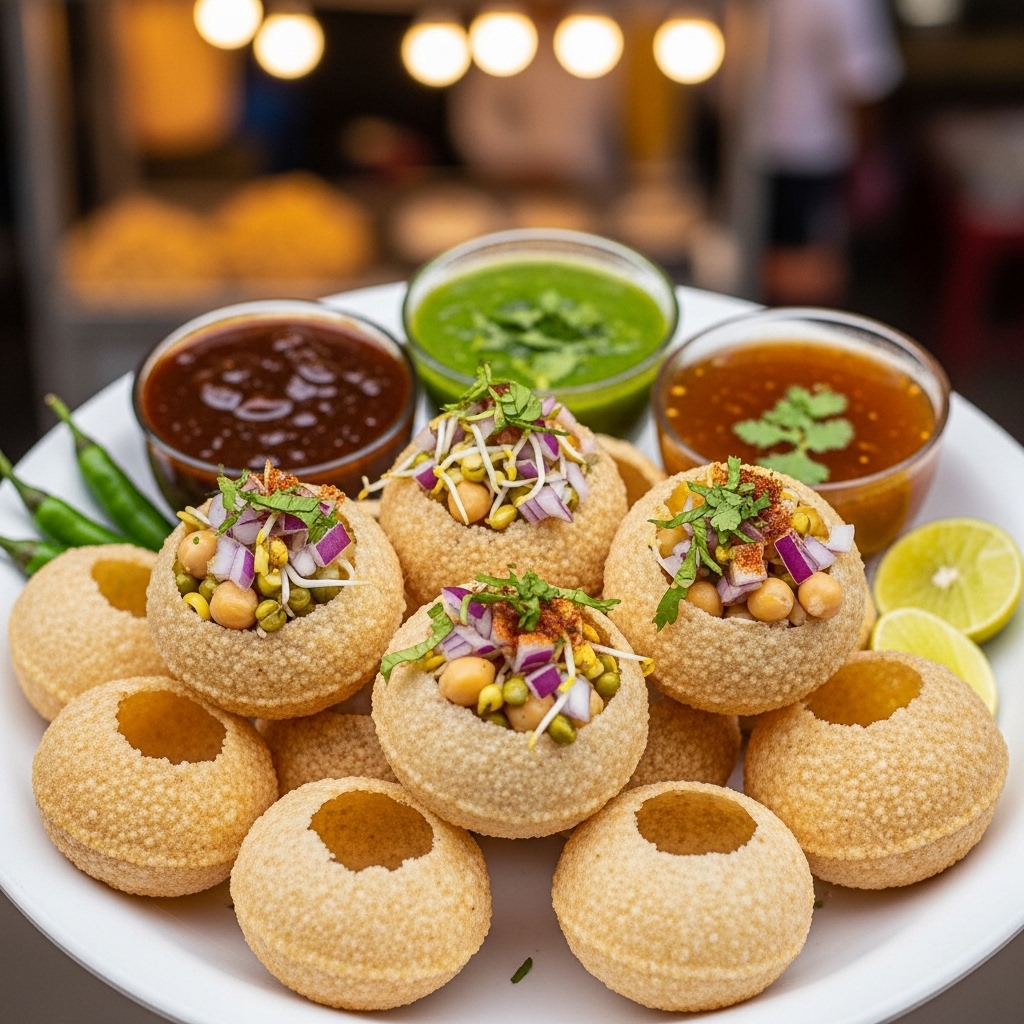
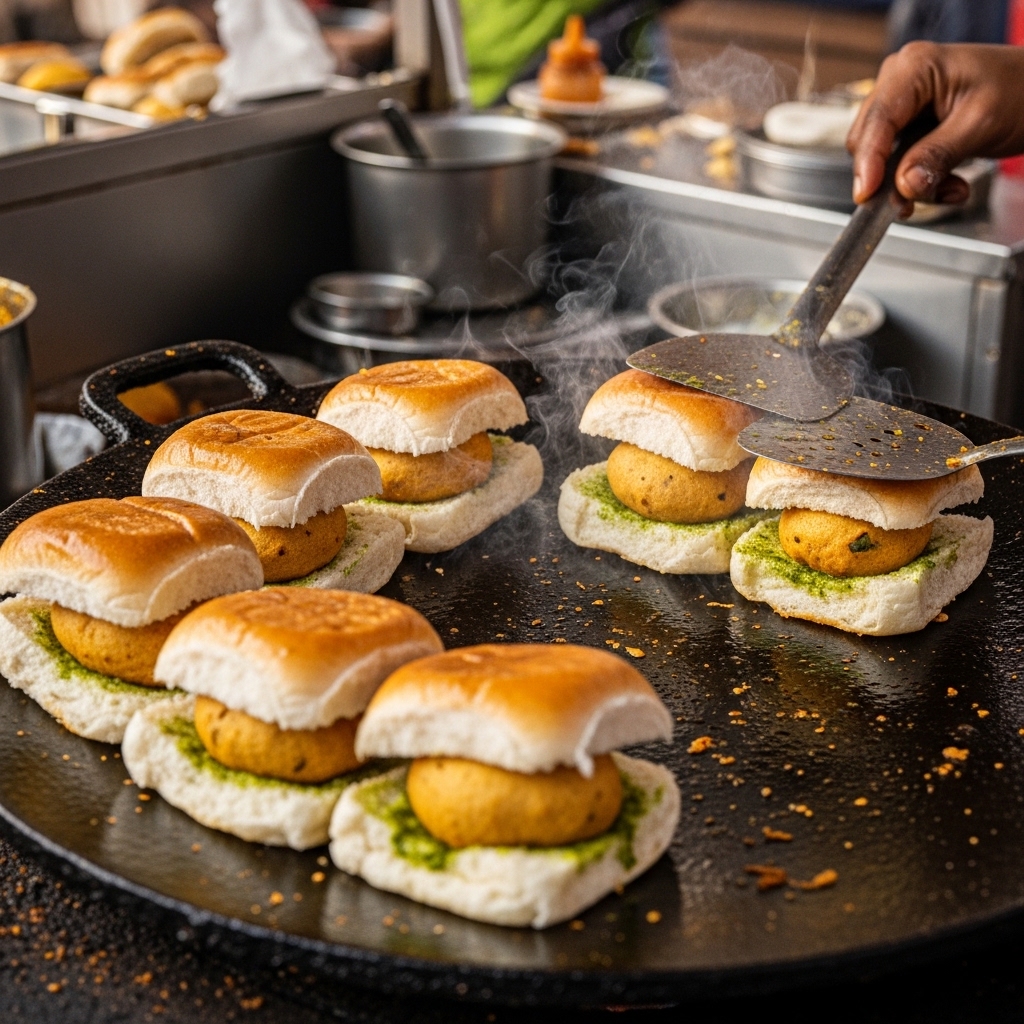
This is why so many of the greatest desi dishes originated on the street rather than in restaurants or home kitchens. The gol gappa (pani puri) was optimised for the constraints of a street cart — small, portable, instantly assembled, eaten in one bite. The Karachi bun kebab was designed to be filling, fast, and affordable for a working population. The Mumbai vada pav is structured so perfectly for eating standing up that it has remained essentially unchanged since 1966.
What we look for
When we visit a street food scene, we look for the places that have been doing it longest. We look for the queue — not the Instagram queue of tourists, but the lunch-hour queue of office workers and rickshaw drivers who come back every day because the food is good and the price is right. We talk to the vendors, who are almost always the most interesting people in the conversation.
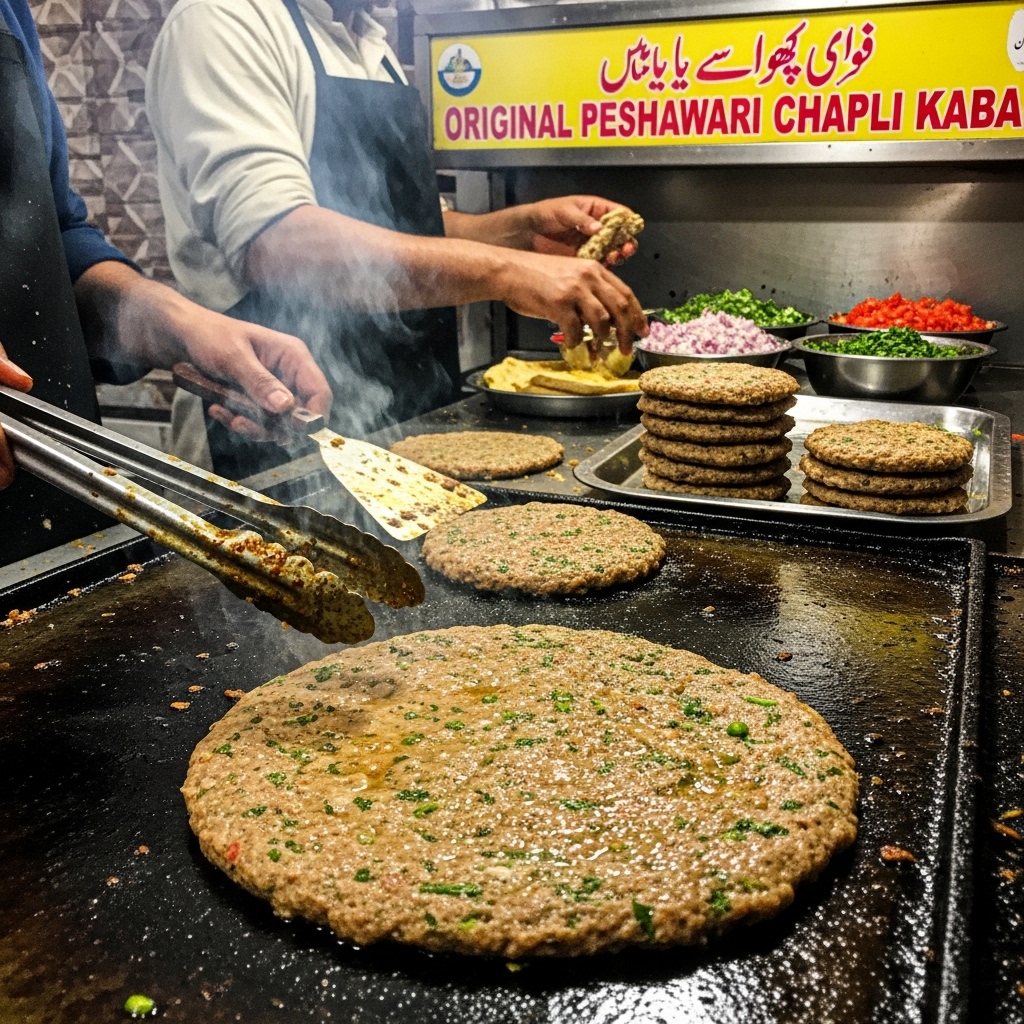
We also try to understand what makes each city's street food distinct. Karachi's food is bolder and more oil-forward than Lahore's, reflecting the city's commercial energy and its diverse migrant population. Lahore's street food has a more refined quality — even at a roadside stall, presentation matters in a way that it doesn't elsewhere. Mumbai's food scene is dominated by the interplay of speed and flavour — the city runs on fast food, but fast food that demands to taste extraordinary.
The vendors we respect
Behind every great street food dish there is usually a story that involves decades of repetition. The man who makes the best nihari in Karachi's Burns Road area has been at the same stall since before his father died and left it to him. He uses the same recipe, the same ratios, the same supplier for his beef. He has not adjusted his hours or his prices more than necessary. He does not need to — the food speaks for itself.
These are the vendors we try to profile in our street food coverage. Not the trendy new stall that has gone viral on social media, but the one that has been there quietly serving extraordinary food to a loyal clientele for longer than most of its customers have been alive. These places are the real institutions of desi food culture, and they deserve documentation before they inevitably change or disappear.
How to navigate a street food scene
If you are visiting Karachi, Lahore, Mumbai, or Delhi and want to eat well, the most important thing is to follow the locals. Don't eat at the stalls that advertise in English or that have laminated menus with photographs. Find the places that locals are pointing other locals towards. Eat where the food is cooked in front of you, where the turnover is high enough that nothing has been sitting, and where the vendor clearly has a system that they've been running for years.
The second most important thing is to be adventurous about hygiene anxiety. Street food in South Asia is not a hygiene-free zone — the best vendors are meticulous about their equipment and their ingredients, because their reputation depends on it. The food that is most commonly associated with stomach upset is almost always the food served in the tourist spots, not the local ones. Follow the locals, eat where there's a queue, and trust the process.
Finally, eat at the right time. Karachi's best street food comes alive after sunset and peaks around midnight. Lahore's Gawalmandi food street is quieter at 8pm and extraordinary at 11pm. Mumbai's vada pav is best eaten as a mid-morning snack, when the batter is fresh. Street food is time-specific, and eating it at the wrong hour means eating a lesser version of what it can be.