Ask any food historian and they will tell you: South Asian cuisine is one of the most sophisticated, technically demanding, and flavour-complex culinary traditions in human history. The spice trade that shaped the modern world was built almost entirely around the ingredients — black pepper, cardamom, cinnamon, turmeric — that define the cooking of Pakistan and India.
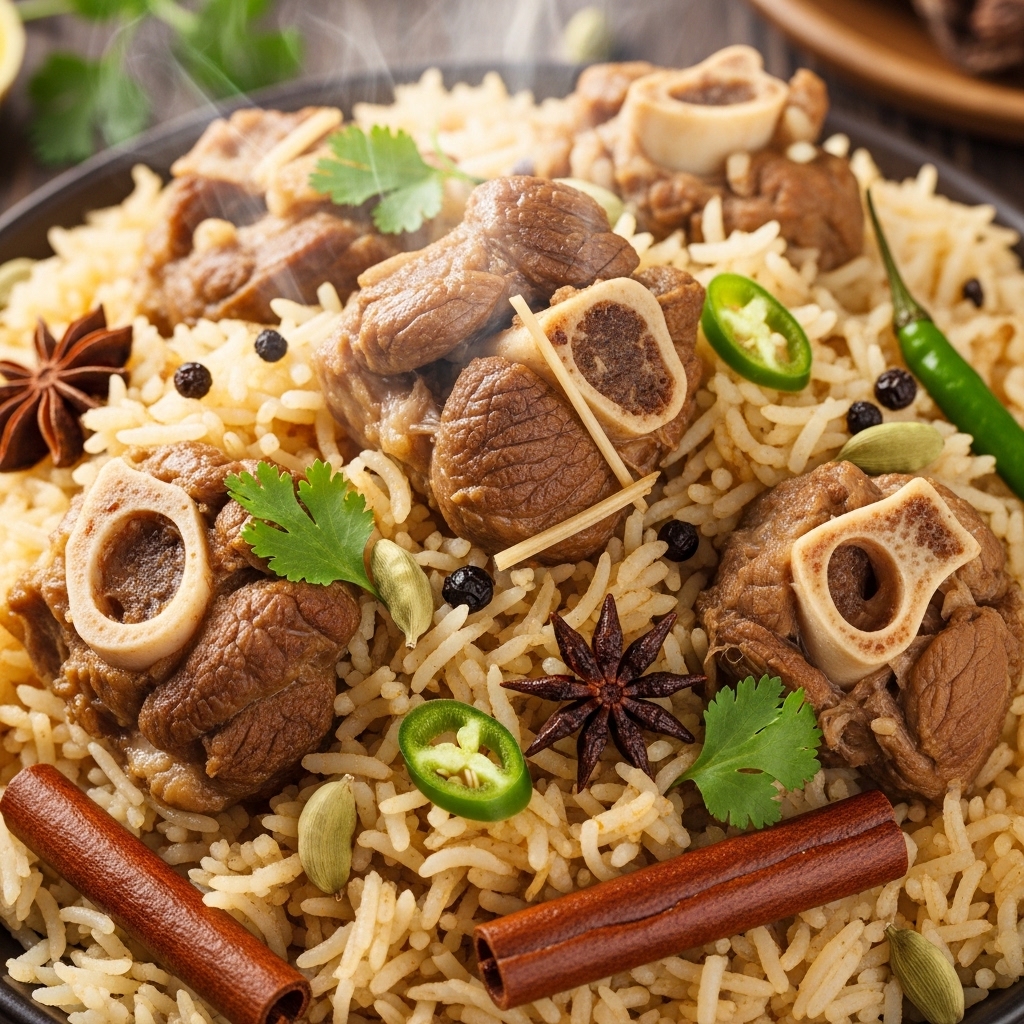
And yet for decades, this food was dismissed in Western media as simply "spicy" or "exotic." The nuance was lost. The regional variation — the difference between a Karachi biryani and a Hyderabadi one, between a Lahori karahi and a Peshwari one — was collapsed into a single stereotype.
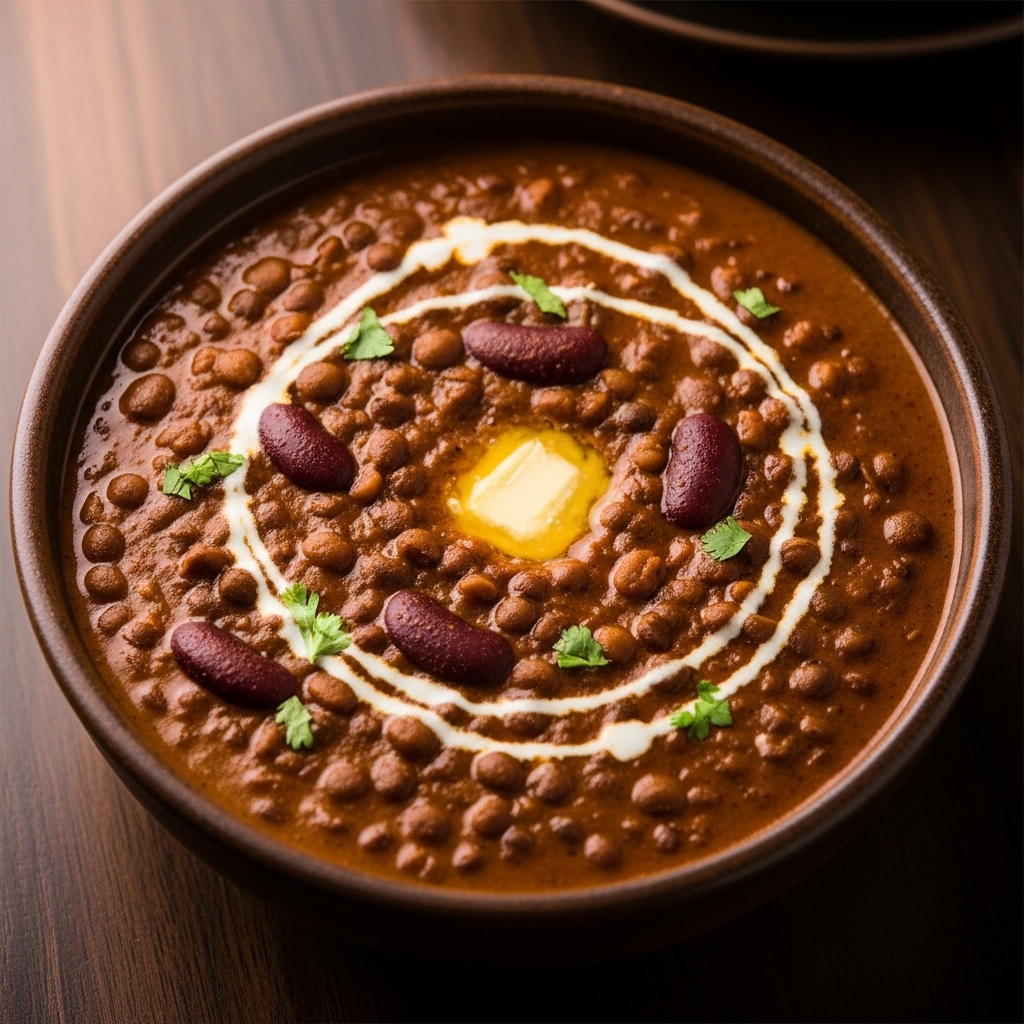
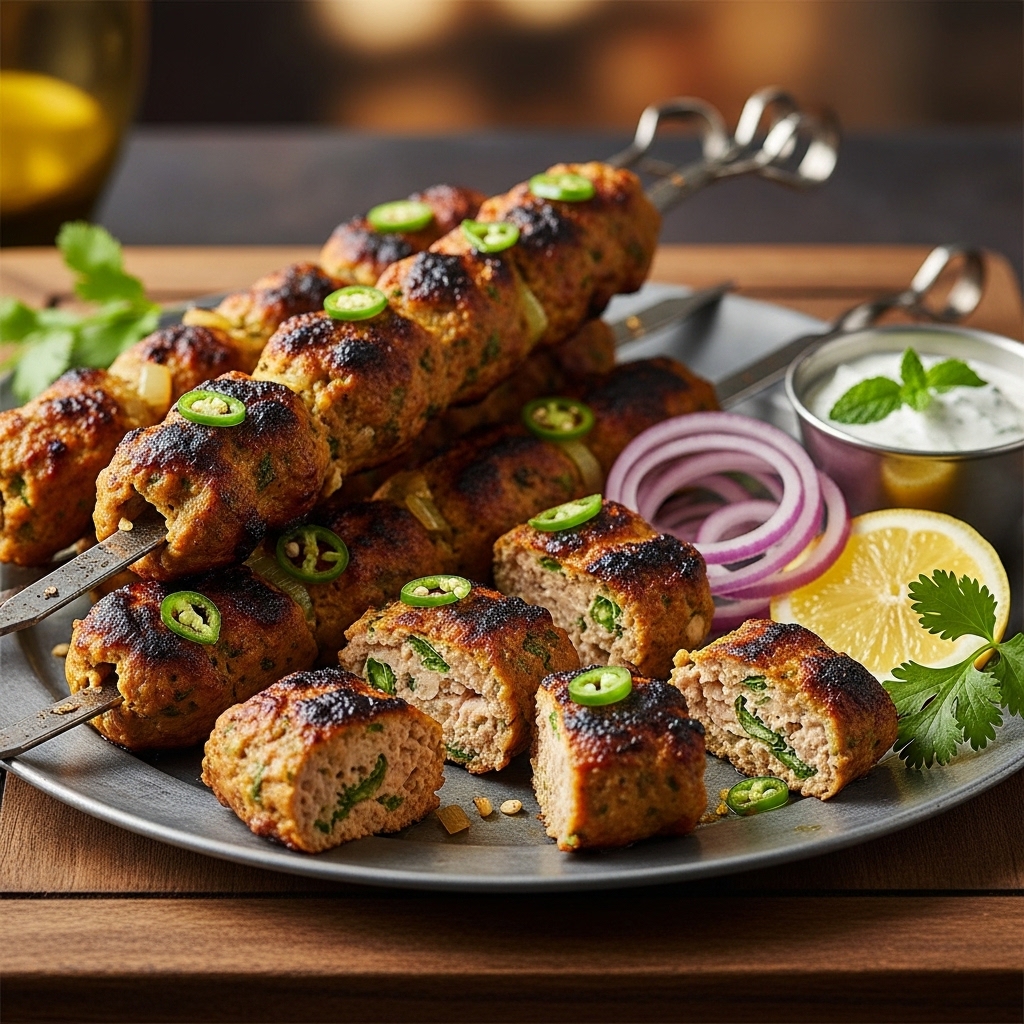
DesiFoodz exists to push back against that. The food of Pakistan and India is not a monolith. It is a continent of cuisines, each with its own history, technique, and soul. A Punjabi daal makhani has almost nothing in common with a Kerala fish curry, except that both are extraordinary. A Karachi bun kebab and a Kolkata kathi roll are separated by over 2,000 kilometres and a dozen cultural influences — both deserve to be celebrated on their own terms.
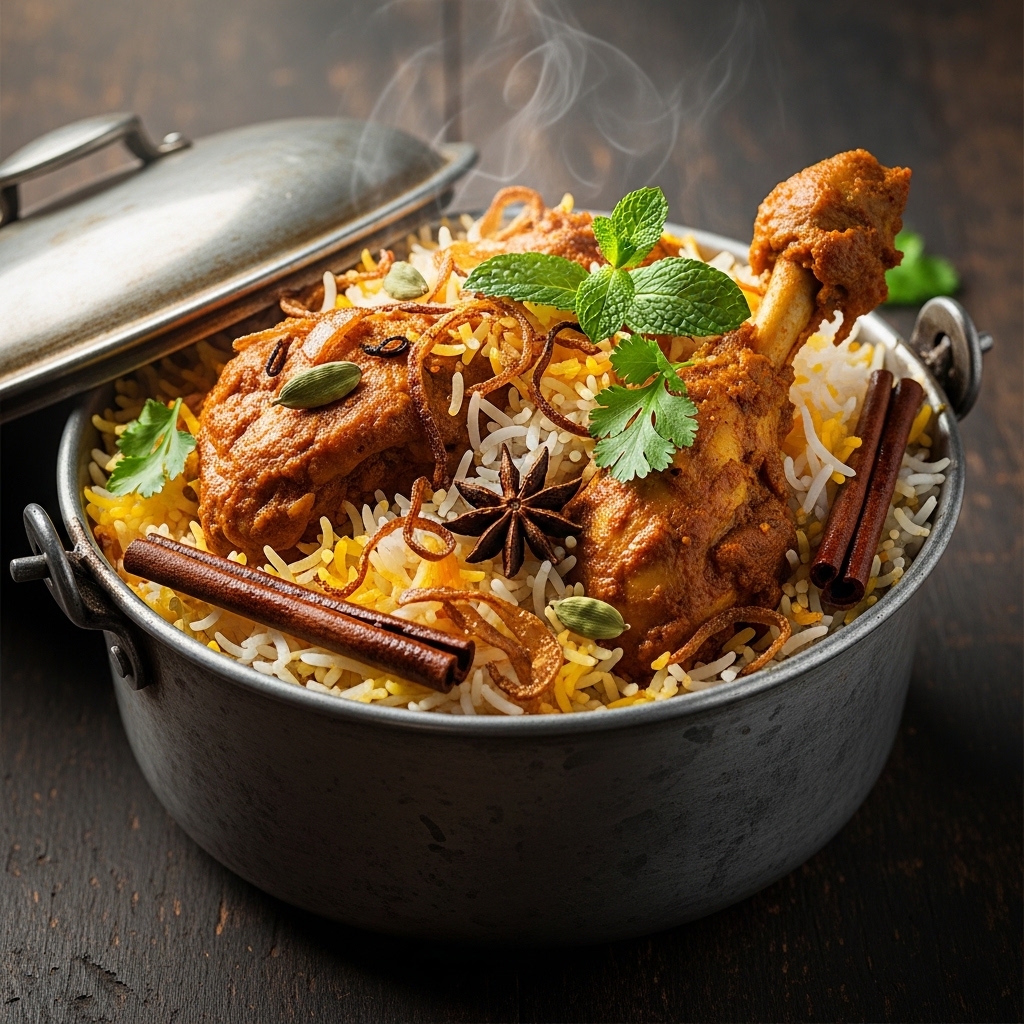
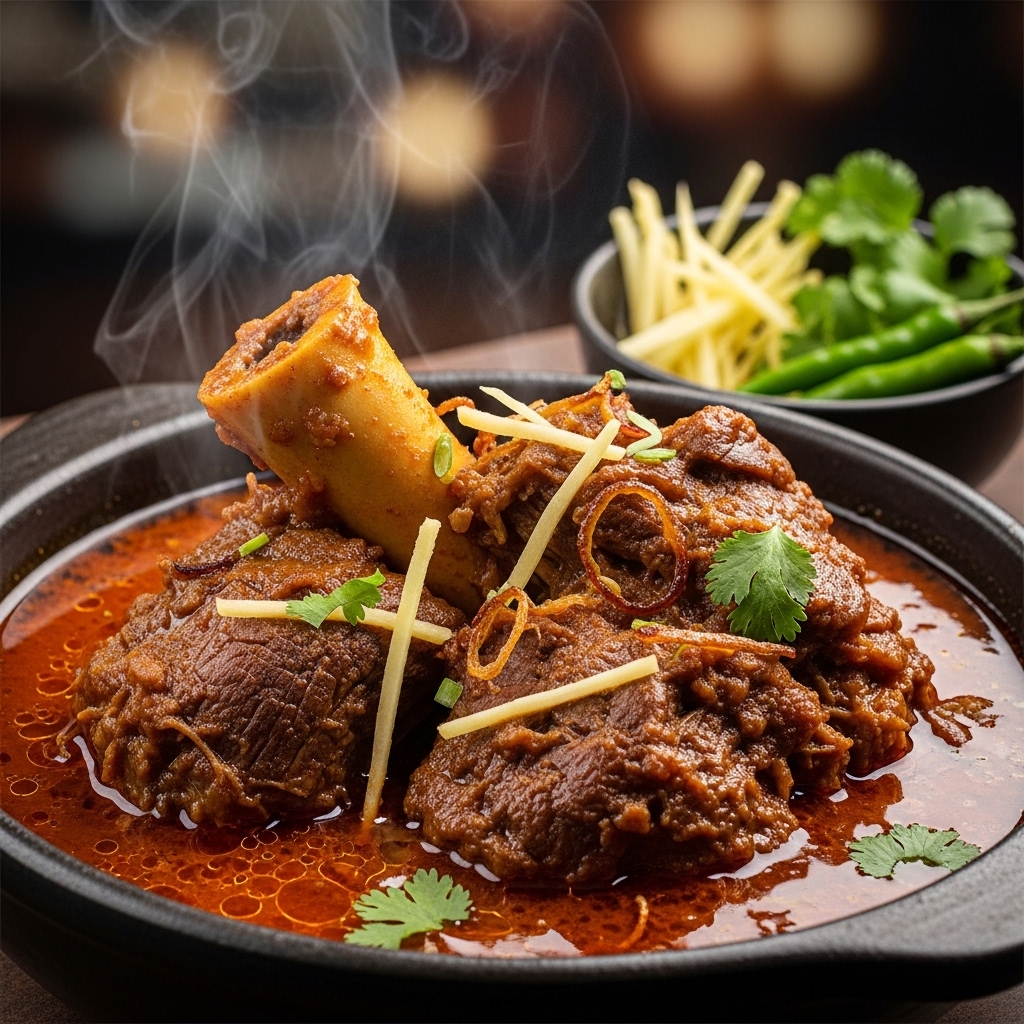
We believe that understanding what you eat makes it taste better. When you know that the dum technique in biryani was developed in the Mughal royal kitchens to slow-steam meat and rice together under a sealed lid, you appreciate the dish differently. When you understand why nihari is cooked for eight hours instead of two — the collagen in the beef shank needing that time to render into gelatin and give the broth its silky body — you stop looking for shortcuts.